
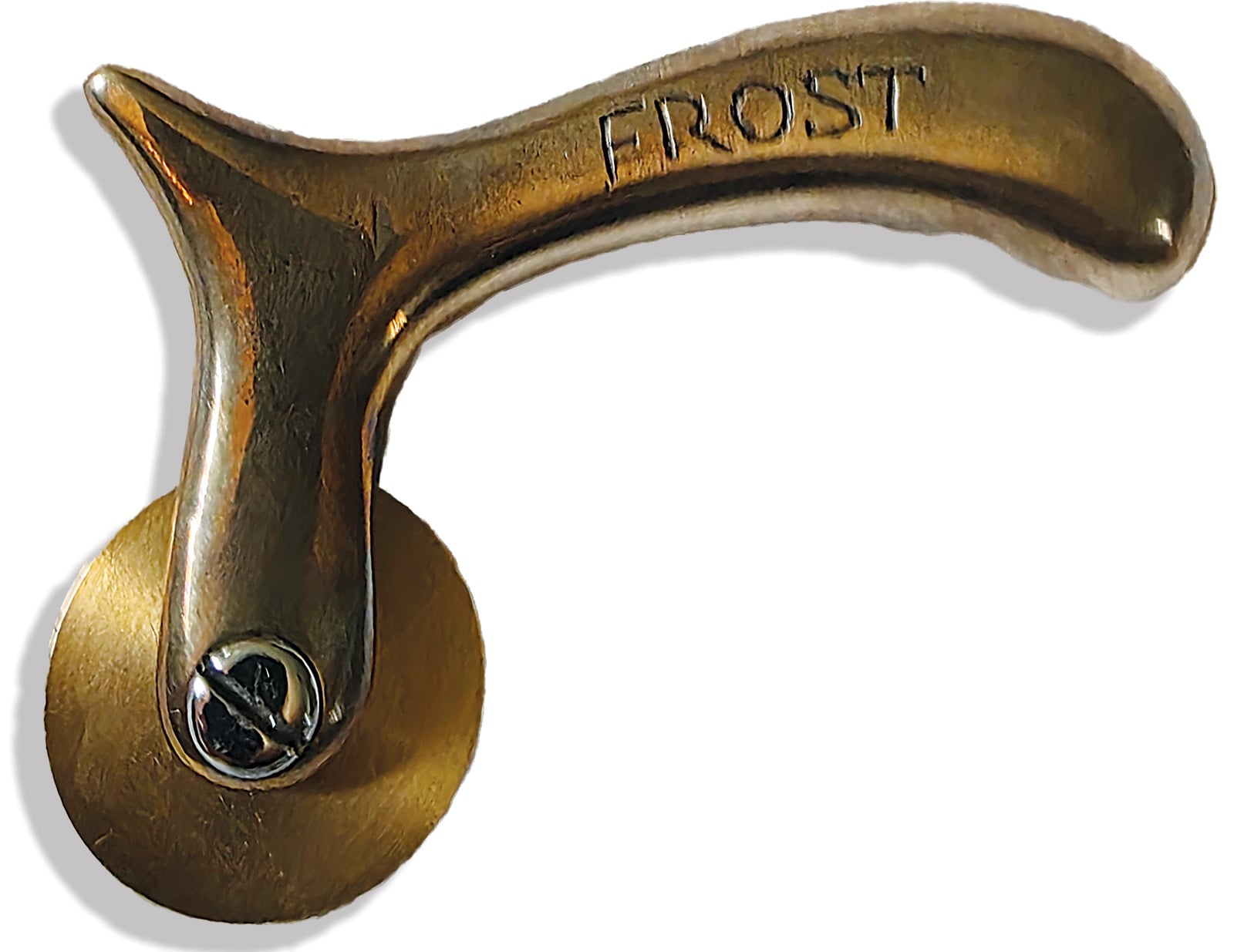
Back in the late 1970s, when I was learning the boatbuilding trade, there was always one operation that I approached with trepidation: caulking the hull, especially on small craft. Using mallet and iron required nuance and (for me) a lot of practice. The lingering concern was that an overenthusiastic blow to the iron could break out the inside face of the soft cedar planking. And there was all that hammering clatter….
One day, by sheer serendipity, I picked up a copy of Royal Lowell’s book, Boatbuilding Down East. Lowell, a highly respected designer and builder of lobsterboats, was also a grandson of William Frost, “the Wizard of Beals (Island),” who was considered the originator of the Maine lobsterboat hull design. I quickly turned the pages to see if he would reveal a better and perhaps quieter technique to install the cotton between the plank seams.
And, indeed, he did. He offered advice on preparing the cotton from the skeins in which it is purchased and on how and where to use it. Additionally, there was the requisite information on using the irons and mallet and, most important, sage information on using the “caulking wheel.” There are two versions of this handy tool. The commercial one is a wheel on a stick, much like the hardware-store tool used to install insect screen in a door. Then there is the pistol-grip, or pizza-cutter style like the one his grandfather fashioned, with a body made from lignum vitae. “A word about caulking wheels,” Lowell wrote. “I prefer a pistol-grip type. I made a pattern for my present one, and had it cast in bronze. This has been ideal. As it has good weight, fits my hand perfectly and rolls the cotton deeply with less effort, or at least it feels that way to me.”